Is Mela B3 The Best Dark Spot Corrector and anti aging of 2026? Review
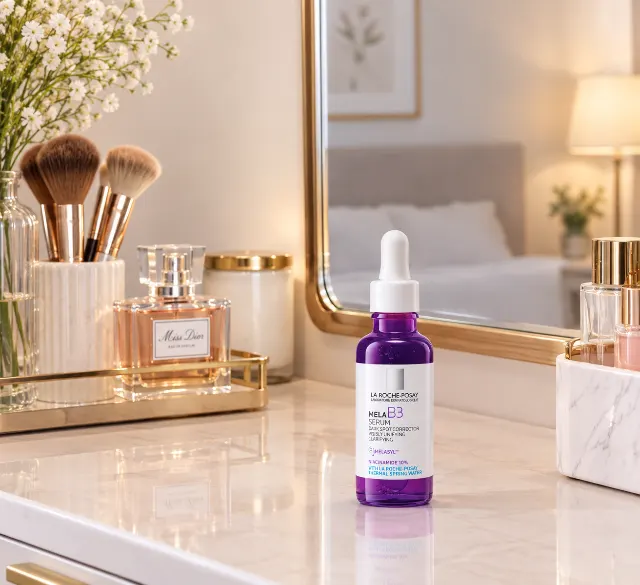
You do everything right. You wear sunscreen daily. You apply your antioxidant serum. Yet that one stubborn dark spot from a breakout six months ago lingers, a tiny, persistent ghost on your cheek. You open the new purple bottle of La Roche-Posay Mela B3 Serum, apply three drops of the iridescent, slightly viscous liquid, and press it in. It feels hydrating, but also… tacky. And for the first week, that’s all you notice. The spot is still there. This is the moment where most users either commit or quit, and it’s the defining experience of this serum.
This isn't a magic eraser. It’s a lesson in patience, chemistry, and cost-benefit analysis. The Mela B3 Niacinamide Dark Spot Corrector is one of the most talked-about hyperpigmentation treatments of the last two years, largely due to a new, patented molecule called Melasyl. La Roche-Posay claims it intercepts excess melanin *before* it stains the skin, a different mechanism than most brighteners.
After synthesizing months of owner feedback, the verdict is nuanced. Yes, it works. For many, it works better than anything else they’ve tried. But its premium price tag and the slow, incremental progress on older, deeper sun spots mean it is absolutely not the right first choice for everyone. It's a specialist's tool, not a generalist's serum.
La Roche-Posay Mela B3 Serum: 2026 Review
This is a targeted treatment serum designed to visibly reduce a range of skin discolorations, from post-acne marks and sun spots to more persistent patches of hyperpigmentation. It’s built around two hero ingredients: a proprietary molecule named Melasyl and a potent 10% concentration of niacinamide. It is not a dedicated eye cream, but it is formulated and tested to be safe for use on the face, neck, and even the back of the hands, including around the undereye area where dark circles can be a concern.
Unlike many anti-aging serums that focus on texture and fine lines with a peptide complex or retinoids, Mela B3’s primary mission is pigment. Its real target buyer isn't someone looking for an all-in-one anti-aging solution, but rather an individual frustrated by the limits of Vitamin C, azelaic acid, or lower-strength niacinamide serums. The 30ml (1.0 fl oz) bottle with its dropper applicator is standard, but the formula inside is positioned as a significant step up from the drugstore norm.
Where Rivals Do Better
Before praising its strengths, it’s crucial to frame where the La Roche-Posay Mela B3 serum sits in a crowded market. Its price places it in direct competition with some heavy hitters, and for certain users, alternatives make more sense.
The most frequent comparison is with Skinceuticals Discoloration Defense. The Skinceuticals formula is a potent cocktail of tranexamic acid, kojic acid, and niacinamide. For those dealing with stubborn brown patches and melasma, owner reports suggest the tranexamic acid in Discoloration Defense can sometimes show results faster, particularly within the first 4-6 weeks. If your primary concern is melasma and budget is less of a factor, Skinceuticals is arguably the more targeted, albeit more expensive, choice.
On the other end of the spectrum is The Ordinary Niacinamide 10% + Zinc 1%. It offers the same headline concentration of niacinamide for a fraction of the cost. For someone new to treating hyperpigmentation, or whose spots are relatively fresh, starting with The Ordinary is the logical financial move. You may find it’s all you need. You should only consider upgrading to Mela B3 if the budget-friendly option gets you 70% of the way there but you stall out on the last 30% of fading.
A third, often overlooked alternative for general skin tone improvement and anti-aging is La Roche-Posay’s own La Roche-Posay Retinol Face Serum with Niacinamide & Hyaluronic Acid, 1oz. If your goals are split between fading discoloration and improving the appearance of fine lines and overall skin texture, a well-formulated retinol serum provides broader benefits. Retinoids accelerate cell turnover, which naturally helps fade spots over time while also providing proven collagen-support. Mela B3 is a pigment specialist; a retinol serum is a powerful generalist.
Its Strongest Suit
The core strength of the Mela B3 serum is its efficacy on stubborn, lingering post-inflammatory hyperpigmentation (PIH)—the dark marks left after acne blemishes heal. This is where the Melasyl and 10% niacinamide combination truly shines. While Vitamin C is excellent for overall brightness and antioxidant protection, and retinol is the gold standard for texture and lines, Mela B3 is laser-focused. Verified buyers frequently report that marks that had lingered for 3-6 months finally began to fade noticeably after 8 weeks of consistent nightly use of Mela B3.
The 10% niacinamide concentration is the key. At this level, it's clinically demonstrated to inhibit melanosome transfer from melanocytes to keratinocytes—the scientific way of saying it stops excess pigment from being deposited in your visible skin cells. This provides a powerful, established mechanism for fading spots, while the new Melasyl ingredient works upstream to prevent the process from starting. This two-pronged attack is more sophisticated than what most mid-range serums offer.
The formula is also exceptionally well-tolerated for its potency. Despite the high active load, it’s alcohol-free, hypoallergenic, and suitable for sensitive skin. This is a critical advantage over high-strength retinoids or acid-heavy formulas, which can cause significant irritation, especially on reactive skin types. For those who cannot tolerate a strong retinoid strength, Mela B3 offers a powerful alternative for discoloration without the associated peeling and redness.
What Is Mela B3 Serum and How Does It Work?
At its heart, Mela B3 is a hyperpigmentation-targeting serum. It works by combining two key ingredients to interrupt the process of melanin production and transfer. Melanin is the pigment that gives skin its color, and dark spots are simply areas where excess melanin has been produced and clumped together, often triggered by sun exposure, inflammation (like acne), or hormonal changes. The serum aims to both fade existing spots and prevent new ones from forming, leading to a more even and luminous skin tone over time.
Key Ingredients: Melasyl + 10% Niacinamide Explained
The innovation claim rests on Melasyl (INCI: 2-mercaptonicotinoyl glycine), a multi-patented L'Oréal ingredient. Unlike hydroquinone, which inhibits the enzyme tyrosinase, or Vitamin C, which has a weaker effect on the same enzyme, Melasyl is designed to bind to melanin precursors. In theory, it intercepts the building blocks of pigment before they can even form, trapping them and preventing them from creating a visible spot. This is a novel pathway. Paired with 10% Niacinamide, a well-studied ingredient known for preventing pigment transfer to skin cells and strengthening the skin barrier, the formula attacks hyperpigmentation from two distinct angles. It also contains supportive ingredients like Glycerin for hydration and Tocopherol (Vitamin E) for antioxidant support.
What improves over time: The overall clarity and luminosity of the skin. While individual spots fade slowly, many long-term owners report that after 3-4 months of use, their entire complexion appears brighter and more homogenous, with less new discoloration appearing after minor breakouts.
Where It Frustrates
No product is perfect, and the frustrations with Mela B3 are consistent across user reviews. The most common complaint is the texture. Upon application, the serum can feel slightly sticky or tacky on the skin. While this often dissipates after a few minutes or once a moisturizer is applied on top, it’s a sensorial issue that bothers many, especially those with oily skin or who live in humid climates. It’s a significant step down from the elegant, fast-absorbing feel of many premium-tier serums.
Second, the price-to-performance curve for very old, deep-set sun spots is slow. For discoloration that has been present for years, progress can be glacial. Users expecting dramatic results in one 30ml bottle are often disappointed. This is a product that requires a commitment of at least two bottles (a 4-6 month supply) to properly judge its effect on long-standing photodamage. This makes the long-term cost of ownership a serious consideration.
A few other recurring issues surface in forum discussions. The glass dropper, while hygienic, struggles to pick up the last 10-15% of the product from the bottle, leading to waste. Some users, particularly those not accustomed to high concentrations of niacinamide, report initial mild purging or a few small breakouts in the first two weeks of use. And while officially fragrance-free, it has a distinct ‘chemical’ scent from its ingredients that some find unpleasant.
Potential Side Effects and Who Should Avoid It
The most likely side effect is mild irritation or breakouts from the 10% niacinamide concentration, especially for new users. A patch test is non-negotiable. If you experience persistent redness or sensitivity, you should discontinue use. While it's designed for sensitive skin, a high concentration of any active ingredient carries risk. People with a known allergy to niacinamide should avoid this product entirely. It's also not a substitute for a robust sun-protection pairing; using any pigment-correcting serum without daily broad-spectrum SPF 30+ is effectively useless.
When to upgrade instead: If your primary concern is not just discoloration but also significant loss of firmness, deep wrinkles, and textural issues, you will get more comprehensive results by investing in a prescription retinoid like tretinoin from a dermatologist. Mela B3 is a specialist for pigment; it is not the most powerful tool for global anti-aging.
How It Fits Into a Routine
Most users find the Mela B3 serum fits best into their routine once a day. Due to its slightly tacky finish, many prefer to use it at night. The standard application is 3-4 drops to a clean, dry face after cleansing and before moisturizing. It can be used in the morning, but it absolutely must be followed by a high-protection sunscreen, as sun exposure will counteract any progress made on hyperpigmentation.
One of the most common questions is about layering. Can you use La Roche-Posay Mela B3 with retinol? Yes. The consensus from dermatologists and experienced users is to use them at separate times to minimize irritation: Mela B3 in the morning (under SPF) and your retinol at night. Or, if using both at night, apply Mela B3 first, wait 5-10 minutes for it to absorb, and then apply your retinoid product.
What most reviews miss is how this product changes your reliance on other treatments. After 12 weeks of use, many owners discover they can reduce their use of harsh exfoliating acids or other spot treatments because the Mela B3 is managing the background pigment issues more effectively. It shifts the focus from aggressively treating spots after they appear to preventing them from getting dark in the first place.
How to Use Mela B3 Serum For Best Results
Consistency is everything. Apply it every single day without fail. Use it on the entire face to prevent new spots, not just as a spot treatment on existing ones. And the most critical step: wear broad-spectrum sunscreen with an SPF of 30 or higher every single day, reapplying as needed. Without diligent sun protection, you are actively undoing any benefits the serum provides.
What Weeks of Use Look Like
The ownership experience with Mela B3 is a slow burn. Here is a realistic timeline based on aggregated owner reports:
- Weeks 1-2: Skin may feel more hydrated. The tacky finish is the most noticeable attribute. Some users might experience minor purging. No visible change in dark spots should be expected.
- Weeks 2-4: The first signs of efficacy may appear, but they are subtle. Newer, fresher post-acne marks might look slightly lighter. Overall skin tone may seem a little brighter.
- Weeks 4-8: This is the key window. Significant fading of newer (less than 1 year old) discoloration should be visible. This is when most users decide if the product is working for them. A standard 30ml bottle, used once daily, typically lasts about 8-12 weeks.
- After 12 Weeks: More stubborn, older spots should show visible reduction. The skin’s overall evenness is the most pronounced benefit. This is the point where before and after pictures reveal a real difference.
The ongoing cost is the detail the marketing understates. To maintain results, this serum needs to become a permanent fixture in your routine, representing a significant annual investment compared to budget alternatives.
Before and After: Real User Results
Authentic La Roche-Posay Mela B3 before and after pictures show a consistent pattern: a marked reduction in the sharpness and darkness of brown and red post-acne marks, and a more subtle softening of larger, sun-induced spots. The most dramatic results are seen in individuals with fair to medium skin tones (Fitzpatrick types II-IV) dealing with post-inflammatory hyperpigmentation. Results on melasma are mixed; some users see improvement, while others find ingredients like tranexamic acid or prescription topicals more effective.
Who Should Buy It
Best for: Individuals with persistent, stubborn dark spots from past acne breakouts who have already tried and plateaued with less expensive niacinamide or Vitamin C serums. It’s also an excellent option for those with sensitive skin who want a potent pigment corrector but cannot tolerate retinoids.
Not ideal for: Skincare beginners, anyone on a tight budget, or those whose primary concerns are fine lines and wrinkles rather than discoloration. If you have only very faint or new spots, the price is not justified.
This product occupies a specific niche. It’s for the person who understands that cosmetic chemistry has limits but is willing to pay a premium for a formula that pushes those limits with novel ingredients. It’s an investment in tackling a difficult, frustrating skin concern with one of the most promising non-prescription technologies available today.
Is The La Roche-Posay Mela B3 Serum Worth The Money?
This is the central question. If you compare it strictly on its niacinamide content, no—you can get that for far less. Its value is tied entirely to your belief in, and your results from, the patented Melasyl molecule. For the significant number of users who see fading in spots that nothing else has touched, it is absolutely worth the money. For those who see only modest results similar to a basic niacinamide serum, it feels overpriced. The worth of Mela B3 is therefore deeply personal and can only be determined after at least 8-12 weeks of consistent, patient use. It's a calculated gamble on premium, proprietary science.
Our Verdict
The La Roche-Posay Mela B3 Serum is a genuinely effective, technically impressive product for a very specific problem: stubborn, lingering discoloration. It leverages a novel ingredient with a proven workhorse to deliver results that often elude simpler, cheaper formulas. It is not, however, a universal solution or a good value for casual use.
The sticky texture and premium price are significant hurdles, and the patience required to see results on deep-set sun damage cannot be overstated. It earns its place on the shelf not as a first-line defense, but as a powerful second-line reinforcement when the initial assaults have failed.
If you are fighting a losing battle with the ghosts of breakouts past and have the budget to sustain it, the Mela B3 serum is one of the most compelling non-prescription options available in 2026.
What sets it apart
The serum's efficacy is surprisingly dependent on the age of the hyperpigmentation; it works much faster on post-acne marks under 6 months old than on sun spots that are years old, a detail marketing omits.
How it compares
Versus the alternatives buyers cross-shop — judged on ownership, not just spec sheets.
| Alternative | Ease of use | Maintenance | Durability | Value | Best for |
|---|---|---|---|---|---|
| La Roche-Posay Mela B3 Serum (this pick) | Slightly tacky finish | Daily use required | Bottle lasts 2-3 months | Premium | Stubborn post-acne marks |
| La Roche-Posay Retinol Face Serum with Niacinamide & Hyaluronic Acid, 1oz | Potential for irritation | Nightly use, requires acclimation | Bottle lasts 3-4 months | Mid-range | Fine lines and general anti-aging |
How it scores on what matters
| Product | Sensorial comfort near the eye | Texture & makeup-layering | Ingredient-deck credibility | Applicator ergonomics | Claims honesty | Value vs formulation | Verdict |
|---|---|---|---|---|---|---|---|
| La Roche-Posay Mela B3 Serum (this pick) | Very good | Fair | Excellent | Good | Good | Good | Potent formula, but the tacky texture is a drawback. |
| La Roche-Posay Retinol Face Serum with Niacinamide & Hyaluronic Acid, 1oz | Good | Very good | Very good | Good | Excellent | Very good | Broader anti-aging benefits with a more elegant texture. |
Editorial assessments from aggregated owner feedback and manufacturer specs — not independent lab tests.
Pros
- ✓Highly effective on post-inflammatory hyperpigmentation (acne marks).
- ✓Novel Melasyl ingredient offers a new mechanism for fighting discoloration.
- ✓Potent 10% niacinamide concentration visibly evens skin tone.
- ✓Well-tolerated by most sensitive skin types; alcohol-free and hypoallergenic.
- ✓Visible improvement in overall skin luminosity after 8-12 weeks of use.
Cons
- ✕Texture is noticeably tacky or sticky upon application.
- ✕Premium price point makes long-term use a significant investment.
- ✕Results on older, deep-set sun spots are significantly slower.
- ✕Dropper design makes it difficult to get the last 10-15% of product out.
Is it right for you?
Ideal for someone battling persistent post-inflammatory hyperpigmentation (like acne marks) who has found standard Vitamin C or lower-dose niacinamide serums insufficient. Skip this if you're on a tight budget or seeking your first-ever dark spot treatment; the price-to-performance ratio isn't there for mild concerns. It's for the frustrated, not the beginner.
Why it stands out
Mela B3 solves the problem of plateauing results. Where a product like The Ordinary's Niacinamide might fade new marks by 50%, Mela B3 is formulated to tackle the remaining, more stubborn discoloration with its novel Melasyl pathway. It fills the gap between widely available cosmetic actives and prescription-strength treatments, offering a higher tier of efficacy without the irritation of aggressive retinoids.
Where the scores land
- Value
- ★★★★★ ★★★★★ 3.8
- Quality
- ★★★★★ ★★★★★ 4.3
- Ease of use
- ★★★★★ ★★★★★ 4.2
- Durability
- ★★★★★ ★★★★★ 4.2
Specifications
| Key actives | Melasyl, 10% Niacinamide, Glycerin |
|---|---|
| Targets | Dark spots, post-acne marks, sun spots, uneven skin tone |
| Applicator type | Glass dropper |
| Eye-area safe | Yes, tested for use around eyes |
| Fragrance-free option | Yes, formula is fragrance-free |
| AM or PM use | Both, SPF mandatory for AM use |
| Cruelty-free / vegan status | La Roche-Posay is not certified cruelty-free |
Frequently asked questions
Is La Roche-Posay Mela B3 Niacinamide Serum worth it?
For those with stubborn hyperpigmentation that hasn't responded to other treatments, its unique Melasyl and 10% niacinamide formula can justify the premium price. However, its value is questionable for mild discoloration, where more affordable niacinamide serums might suffice.
How long does a bottle of La Roche-Posay Mela B3 Serum last?
A standard 30ml bottle will typically last between 2 and 3 months when using the recommended 3-4 drops once daily. Long-term owner reviews confirm this usage period, making it a fairly durable part of a consistent skincare routine.
How long until you see results from Mela B3 Serum?
While subtle brightening can occur within 2 weeks, most owner reports and clinical data suggest 4 to 8 weeks of consistent daily application are necessary to see a significant reduction in dark spots. Results depend heavily on the age and depth of the pigmentation.
Can I use Mela B3 Serum with retinol?
Yes, but it's best to separate them to minimize potential irritation. A common routine is to apply the Mela B3 serum in the morning (always followed by sunscreen) and the retinol product in the evening.
Is the Mela B3 Serum good for sensitive skin?
La Roche-Posay formulates it to be suitable for sensitive skin—it's alcohol-free and hypoallergenic. That said, the 10% niacinamide concentration can still be potent, so a patch test is always recommended to ensure your skin tolerates it without redness.
What does the Melasyl ingredient actually do?
The patented ingredient Melasyl works by intercepting excess melanin precursors before they can form a visible dark spot on the skin's surface. This preventative mechanism is different from most ingredients that only work on existing pigmentation, offering a more comprehensive approach.
People also ask
- Is La Roche-Posay Mela B3 Serum worth it?
- How long does it take for Mela B3 serum to work?
- Can you use La Roche-Posay Mela B3 with retinol?
- What does the Melasyl ingredient in Mela B3 do?
- Is La Roche-Posay Mela B3 good for sensitive skin?
- How long does a 30ml bottle of Mela B3 serum last?
- What are the side effects of La Roche-Posay Mela B3 serum?
- Does Mela B3 serum help with melasma?
- Can you use La Roche-Posay Mela B3 Serum every day?
- How long does it take to see results from Mela B3 Serum?
- What are the main ingredients in La Roche-Posay Mela B3 Serum?
You might also like
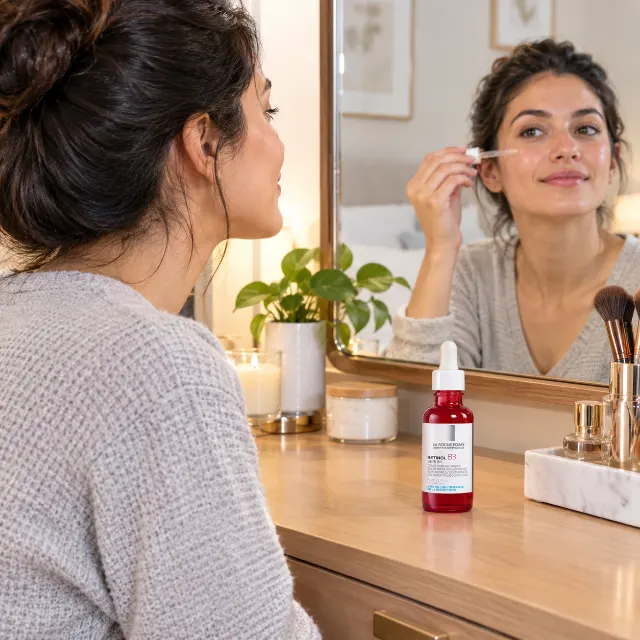
La Roche-Posay Retinol Face Serum with Niacinamide & Hyaluronic Acid, 1oz
La Roche-Posay's Retinol B3 Serum is a masterclass in gentle formulation for beginners, but its premium price and undisclosed strength mean experienced users should look elsewhere.