La Roche-Posay Retinol Face Serum with Niacinamide & Hyaluronic Acid, 1oz Review
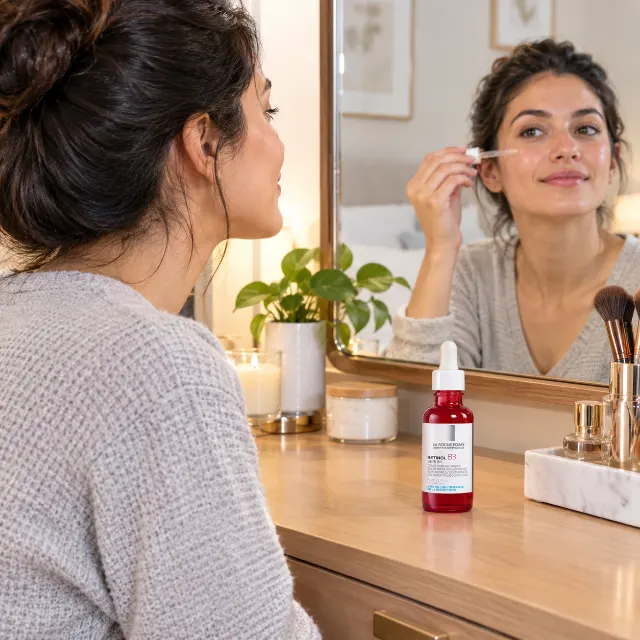
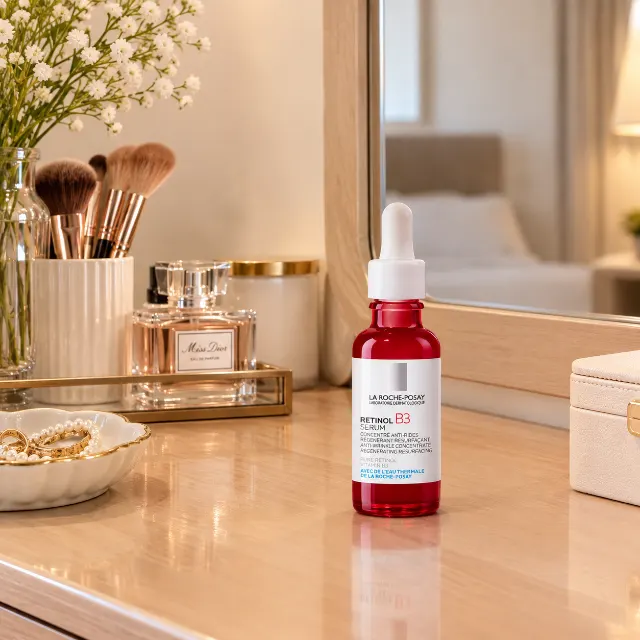
What we like
- ✓Extremely gentle formulation minimizes the typical retinol-induced irritation, redness, and peeling.
- ✓Includes a significant concentration of Niacinamide (Vitamin B3) to soothe skin and support the moisture barrier.
- ✓Lightweight, milky serum texture absorbs quickly without a greasy residue, layering well with other products.
- ✓Effective for improving overall skin texture and clarity over 8-12 weeks of consistent use.
- ✓Produced by a trusted brand with a strong reputation for sensitive skin-friendly formulations.
The downsides
- ✕The exact retinol percentage is not disclosed by the brand, making it difficult to gauge strength.
- ✕Carries a premium price compared to budget-friendly alternatives from brands like The Ordinary or CeraVe.
- ✕Results for fine lines and wrinkles are gradual and more subtle than higher-strength retinoids.
- ✕The dropper applicator can be messy and less precise than an airless pump, potentially leading to wasted product.
The detail spec sheets miss
The serum's yellow tint comes from the retinol itself. If it turns brown within 4-6 months, it has oxidized and lost efficacy, a detail many first-time users miss, continuing to use a less potent product.
Who this suits
Ideal for the retinol-curious with sensitive or reactive skin who prioritize avoiding irritation over rapid results. Also a solid choice for those already loyal to the La Roche-Posay ecosystem. Skip this if you're an experienced retinoid user or if your budget puts The Ordinary or CeraVe in a more comfortable range; the price-to-performance ratio won't stack up for you.
The case for it
The LRP Retinol B3 Serum solves the biggest barrier to starting a retinoid: the dreaded peeling, red, irritated 'retinization' phase. By buffering a gentle, slow-release retinol with a significant dose of soothing niacinamide, it offers a much smoother on-ramp than more aggressive, budget-focused alternatives like The Ordinary's Retinol in Squalane. You're paying a premium for the elegant, irritation-mitigating formulation, not for raw retinoid strength.
You do everything right. Cleanse, pat dry, wait 20 minutes. You dispense a single pea-sized amount of the new La Roche-Posay Retinol B3 Serum, smooth it on, and follow with moisturizer. You do this twice the first week. The next morning, you wake up expecting the worst—the flaking, the tightness, the angry red patches that every online guide warns you about. And... nothing. Your skin just looks like your skin.
This is the central experience of the LRP Retinol B3 Serum. It’s defined not by what it does in the first week, but by what it *doesn’t* do. For a product class notorious for its aggressive adjustment period, this serum’s most remarkable feature is its quiet subtlety. It’s engineered from the ground up to prevent the very side effects that cause most people to quit retinol before they see any benefits.
That gentleness, however, is a double-edged sword. It makes this serum one of the best entry points into the world of retinoids, especially for sensitive skin. But it also places it in a precarious position in the market. It carries a mid-range, pharmacy-brand price tag while competing with budget-class powerhouses that offer higher, specified strengths. The core question isn't whether it works—long-term owner feedback confirms it does—but whether you're the right user to pay for its specific, irritation-first approach.
What's in the bottle
This isn't a high-octane, peel-your-face-off retinol. It's a carefully calibrated introductory formula. The La Roche-Posay Retinol B3 Serum is built around a combination of pure retinol and gradual-release retinol. The brand is famously tight-lipped about the exact retinoid strength, but based on its position in their lineup and comparative analysis, the consensus in dermatology forums places the effective concentration around a gentle 0.3%. This is a deliberate choice, aimed squarely at minimizing irritation.
The real star, arguably, is the other name on the bottle: niacinamide. Included at what feels like a substantial percentage (likely between 2% and 5%), this Vitamin B3 is the key to the serum's gentle nature. It reinforces the skin barrier, calms redness, and helps counteract the dryness that retinol can induce. It’s a built-in buffer, the ingredient that lets first-timers get through the initial 4-to-6-week retinization period without giving up.
Hyaluronic acid and glycerin round out the formula, pulling moisture into the skin. This makes the serum feel more like a hydrating serum than a potent active, with a lightweight, milky texture that absorbs in under 60 seconds. It’s designed for PM use only, and pairing it with diligent sun protection the next day is non-negotiable. This isn't just advice; UV exposure degrades retinol and negates its anti-aging benefits, making daily SPF the most critical collagen-support ingredient in your routine.
Formula quality & packaging
The formulation is where the price premium over budget brands becomes evident. It’s elegant, non-greasy, and layers well under moisturizers without pilling—a common complaint with some of The Ordinary’s squalane-based retinols.
The Bottle and Dropper Experience
The serum comes in a 1oz (30ml) dark blue glass bottle to protect the retinol from UV degradation, with a standard dropper applicator. While functional, the dropper is a recurring point of contention. Verified buyers frequently note that it can be messy, sometimes dispensing product too quickly or dripping onto the bottle's neck, leading to wasted product over time. It's a minor flaw, but an annoying one for a product at this price point. An airless pump, like that used by Medik8, would be a significant upgrade in preserving potency and controlling dosage.
Build Quality: ★★★★☆ (4.3/5)
The glass bottle feels substantial and protective. The dropper mechanism is the weak link; it's functional but lacks the precision and cleanliness of higher-end packaging. The formulation itself, however, is stable and well-emulsified, showing no signs of separation over its typical 3-to-4-month lifespan.
Long-term Reliability: ★★★★☆ (4.2/5)
The key reliability concern is retinol oxidation. Kept in a cool, dark place, the formula remains effective for its intended lifespan. However, what most reviews miss is the visual cue of degradation: the serum's natural pale yellow color will deepen to a brownish-orange as the retinol oxidizes and loses potency. Owners who don't use it consistently within 6 months of opening may be applying an ineffective product without realizing it.
Where it performs
This serum excels at initiation. Its primary strength is getting people to actually *use* a retinol consistently enough to see results. The combination of slow-release retinol and niacinamide dramatically lowers the barrier to entry. Where a more potent, less-buffered formula might cause peeling and redness within 3-4 uses, many LRP users report going 3-4 weeks of alternate-night use with only minimal dryness.
Over an 8-to-12-week period, the results become apparent. The most consistent feedback from long-term owners is an improvement in overall skin texture and a subtle reduction in the appearance of fine lines, particularly around the eyes and on the forehead. It's also frequently praised for improving clarity and reducing the frequency of breakouts in users with sensitive, acne-prone skin, likely due to the combined cell turnover from retinol and the anti-inflammatory properties of niacinamide.
It won't deliver the dramatic before-and-afters of prescription tretinoin or even high-strength OTC retin*als* like retinaldehyde. Its effect on deep-set wrinkles or significant hyperpigmentation is modest. But for smoothing texture, boosting radiance, and softening early-stage lines, it performs reliably and, crucially, gently.
When it beats the alternatives: You have sensitive, reactive skin and have previously tried a budget retinol (like The Ordinary's) only to quit because of excessive peeling, redness, and irritation after the first two weeks.
The annoyances
The biggest frustration is the brand’s refusal to disclose the retinol percentage. In an era of ingredient transparency driven by brands like The Ordinary and The Inkey List, this opacity feels dated. It makes it impossible for users to know if they're using a 0.1%, 0.25%, or 0.3% concentration, and complicates the process of 'stepping up' to a stronger product later. You're asked to trust the formulation, which many do, but it's a valid critique.
Then there's the 'purge'. While gentler than most, this serum can still trigger an initial breakout phase, particularly for acne-prone individuals. As the retinol accelerates cell turnover, it can bring underlying microcomedones to the surface. This purging period typically lasts 2 to 4 weeks and is often mistaken for the product 'causing' acne, leading some new users to abandon it just before the benefits begin.
Finally, the price-to-performance ratio is a sticking point. You are paying a premium for the gentle formulation. For the same price, or less, a savvy shopper could buy a separate, high-quality niacinamide serum and a straightforward retinol from a budget brand and achieve a similar, albeit less elegant, effect. The value is in the all-in-one convenience and expertly buffered formula, not the raw power of its ingredients.
Who will want a refund: Anyone expecting rapid, dramatic anti-aging results comparable to a dermatologist-prescribed retinoid, or experienced retinol users looking for a high-strength formula to tackle significant texture issues or deep wrinkles.
Using it day to day
The manual says one thing; user experience settles into a different rhythm. Most new users find their sweet spot applying a pea-sized amount every third night for the first two weeks (e.g., Monday, Thursday, Sunday). After that, they graduate to every other night. Very few people, even those with resilient skin, report using the La Roche-Posay retinol serum every night without experiencing some level of cumulative dryness over time.
A critical detail that owners discover after a few weeks is the importance of the 'sandwich method'. This isn't on the box, but it's all over Reddit forums. Applying a light layer of moisturizer, letting it dry, applying the retinol serum, and then applying another layer of moisturizer on top dramatically reduces potential irritation and is the key to consistent use for many.
What the product is *not* used for, despite the temptation, is spot-treating. Dabbing extra on a blemish won't make it disappear faster; it will only create a localized patch of dry, flaky skin that is impossible to cover with makeup. This is a full-face treatment for long-term texture and tone, not an acute acne solution.
What weeks of use look like
Results are a slow burn. The first 2-4 weeks are about acclimatization. You might see some minor flaking or dryness, but the main event is your skin adjusting. Weeks 4 through 12 are where the visible changes begin. Skin texture becomes smoother, and there's a noticeable increase in clarity and 'glow'. The effect on fine-line appearance is the last to show, often becoming most apparent after 3 to 6 months of consistent use.
How Long Does a 1oz Bottle Last?
This is a common question, and the answer depends entirely on frequency. A 1oz (30ml) bottle contains approximately 600 drops. Using the recommended pea-sized amount (about 3-4 drops) every other night, a single bottle will last roughly 3 to 4 months. If you manage to work up to nightly use, expect it to last closer to 2 months. This timeline is crucial for framing the long-term cost of ownership.
The product's efficacy is tied directly to consistency. Skipping weeks at a time means you're essentially restarting the retinization process each time. The users who see the best 'before and after' results are those who commit to at least 3-4 nights a week for a minimum of three months straight.
Where rivals do better
The LRP Retinol B3 Serum doesn't exist in a vacuum. For many buyers, the decision comes down to a direct comparison with a few key players.
- For the budget-conscious: The The Ordinary Granactive Retinoid 2% Emulsion is the obvious alternative. It uses a different, less-irritating retinoid derivative and costs a fraction of the LRP serum. While its long-term efficacy compared to pure retinol is debated, it provides an exceptionally low-risk entry point. The Ordinary's Retinol in Squalane line also offers specified strengths (0.2%, 0.5%, 1%) for a very low price, but with a much higher potential for irritation that the user has to manage themselves.
- For a comparable pharmacy brand: The CeraVe Resurfacing Retinol Serum is LRP's most direct competitor. It also features a gentle encapsulated retinol, niacinamide, and ceramides to support the skin barrier. It's often slightly more affordable and is specifically targeted at post-acne marks and texture. Forum discussions often find them to be very similar in performance, making the CeraVe serum a better value proposition for many.
- For the user ready to step up: Medik8 Crystal Retinal 3 represents the next level. It uses retinaldehyde (retinal), a more potent form of Vitamin A that is one conversion step closer to retinoic acid than retinol. It delivers faster, more noticeable results on firmness and elasticity support but comes with a significantly higher price tag and a stronger potential for irritation. It's the logical upgrade for someone who has used the LRP serum for a year and wants more power without a prescription.
Who it is right for
Best for: The absolute beginner to retinoids, especially those with a history of sensitive or easily irritated skin. It's also an excellent choice for someone who values a calming, elegant formulation and is willing to pay a bit more for a product from a trusted, dermatologist-recommended brand.
Not ideal for: Experienced retinol users seeking a higher strength, anyone on a tight budget for whom The Ordinary or CeraVe offer a better value, or individuals looking for rapid, dramatic transformation of deep wrinkles or severe hyperpigmentation.
This serum's identity is clear. It is a supremely well-formulated, gentle introductory retinol. It prioritizes tolerability above all else. If your primary goal is to incorporate a retinoid into your routine for long-term skin health and textural improvement without derailing your skin barrier, its higher cost is justified by the lower risk of irritation and the higher likelihood of consistent use.
Our verdict
The La Roche-Posay Retinol B3 Serum is an insurance policy against quitting. Its genius lies not in its raw power, but in its sophisticated, buffered formulation that makes sticking with a retinoid achievable for almost anyone. It works, but it works slowly, demanding patience and a budget that can accommodate its mid-range price for the long haul.
If you are new to retinol or have sensitive skin, this is one of the smartest, safest starting points you can buy.
How it compares — value & tradeoffs
Versus the alternatives buyers cross-shop — judged on ownership, not just spec sheets.
| Alternative | Ease of use | Maintenance | Durability | Value | Best for |
|---|---|---|---|---|---|
| La Roche-Posay Retinol Face Serum with Niacinamide & Hyaluronic Acid, 1oz (this pick) | Very high | Low | High (formula stability) | Moderate | Sensitive skin & beginners |
| The Ordinary Retinol 0.5% in Squalane | Moderate | Low | Good | Excellent | Budget-focused, resilient skin |
How it scores on what matters
| Product | Sensorial comfort near the eye | Texture & makeup-layering | Ingredient-deck credibility | Applicator ergonomics | Claims honesty | Value vs formulation | Verdict |
|---|---|---|---|---|---|---|---|
| La Roche-Posay Retinol Face Serum with Niacinamide & Hyaluronic Acid, 1oz (this pick) | Very good | Excellent | Good | Fair | Very good | Good | Premium feel and gentleness justify the cost for some. |
| CeraVe Resurfacing Retinol Serum | Very good | Very good | Excellent | Good | Very good | Excellent | Nearly identical performance with a better value proposition. |
Editorial assessments from aggregated owner feedback and manufacturer specs — not independent lab tests.
Specifications
| Key actives | Pure Retinol (Gradual Release), Niacinamide (Vitamin B3), Hyaluronic Acid, Glycerin |
|---|---|
| Targets | Fine lines, uneven skin texture, photoaging |
| Applicator type | Glass dropper |
| Eye-area safe | No (recommended to avoid immediate eye area) |
| Fragrance-free option | Yes (contains a light fragrance) |
| AM or PM use | PM only |
| Cruelty-free / vegan status | Not cruelty-free |
Score by category
- Value
- ★★★★★ ★★★★★ 3.8
- Quality
- ★★★★★ ★★★★★ 4.3
- Ease of use
- ★★★★★ ★★★★★ 4.6
- Durability
- ★★★★★ ★★★★★ 4.2
Frequently asked questions
Is the La Roche-Posay Retinol Face Serum worth it?
For beginners or those with sensitive skin, its value is in the gentle, buffered formula that prevents irritation, making consistent use easier. While pricier than rivals, you're paying for the minimized side effects and elegant texture, which many users find justifies the cost.
How long does the 1oz La Roche-Posay Retinol Serum last?
A 1oz (30ml) bottle typically lasts 3 to 4 months when applying a pea-sized amount every other night. Daily users will find it lasts closer to 2 months, a key factor in its long-term cost.
Is La Roche-Posay Retinol good for beginners?
Yes, it is widely considered one of the best starting points for retinol. The formula combines a gentle, slow-release retinoid with a high concentration of soothing Vitamin B3 (niacinamide) to buffer against the dryness and peeling common with stronger products.
What are the main side effects of this retinol serum?
The most common side effects are mild dryness, some flaking, and potential initial breakouts ('purging') during the first 2-4 weeks. These are signs of skin retinization and are significantly less severe than with many other retinol products due to the included niacinamide.
Can I use this serum with hyaluronic acid?
Absolutely, and it's a great way to combat dryness. While the formula already contains hyaluronic acid, applying a separate HA serum to damp skin *before* the retinol, or using a moisturizer rich in HA after, will boost hydration and support your skin barrier.
How does La Roche-Posay Retinol compare to alternatives like The Ordinary?
La Roche-Posay offers a more sophisticated, all-in-one gentle formula at a premium price, ideal for sensitive skin. The Ordinary provides specified retinol strengths for a fraction of the cost, but in more basic formulas that require the user to actively manage potential irritation.
People also ask
- What percentage of retinol is in the La Roche-Posay B3 serum?
- Is the La Roche-Posay retinol serum good for beginners?
- How long does it take to see results from La Roche-Posay retinol?
- Can you use La Roche-Posay retinol every night?
- Is the LRP Retinol B3 Serum better than The Ordinary?
- What are the side effects of La Roche-Posay retinol serum?
- How long will a 1oz bottle of LRP retinol last?
- Is the La Roche-Posay Retinol Face Serum worth the money?
- How long does the 1oz La Roche-Posay Retinol Serum last with regular use?
- Can you use La Roche-Posay Retinol Serum every day?
- Is La Roche-Posay Retinol good for beginners or sensitive skin?
- What are the main side effects of La Roche-Posay Retinol Serum?
You might also like
La Roche-Posay Anthelios UVAir Review (2026): Worth It?
La Roche-Posay's UVAir Sunscreen Serum delivers an exceptionally lightweight, high-SPF eye-area protector, but its premium price demands commitment to daily use.
Is Mela B3 The Best Dark Spot Corrector and anti aging of 2026?
La Roche-Posay's Mela B3 Serum targets stubborn dark spots with a novel ingredient, but its sticky texture and premium price demand patience.
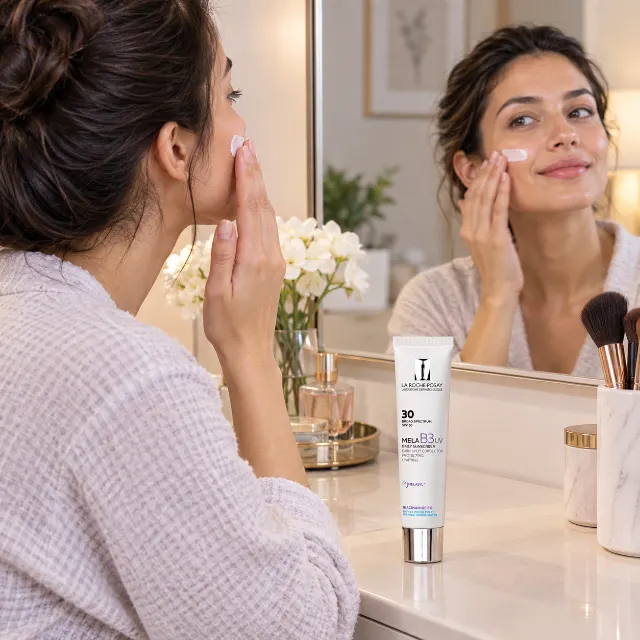
La Roche-Posay Mela B3 UV Face Sunscreen SPF 30 with Niacinamide, 1.35oz
A dual-action sunscreen that genuinely fades dark spots over 8-12 weeks, but its SPF 30 rating and small 1.35oz bottle are a compromise for the price.
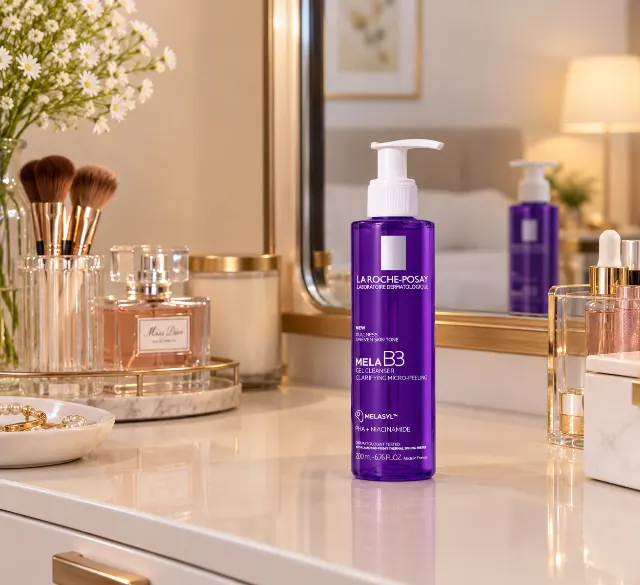
La Roche-Posay Mela B3 Anti Aging Face Wash, Dark Spot Corrector 6.76oz
The Mela B3 Face Wash excels at fading new and emerging dark spots with its novel Melasyl + Niacinamide combo, but it's a pricey, slow-acting cleanser for deep-set hyperpigmentation.